
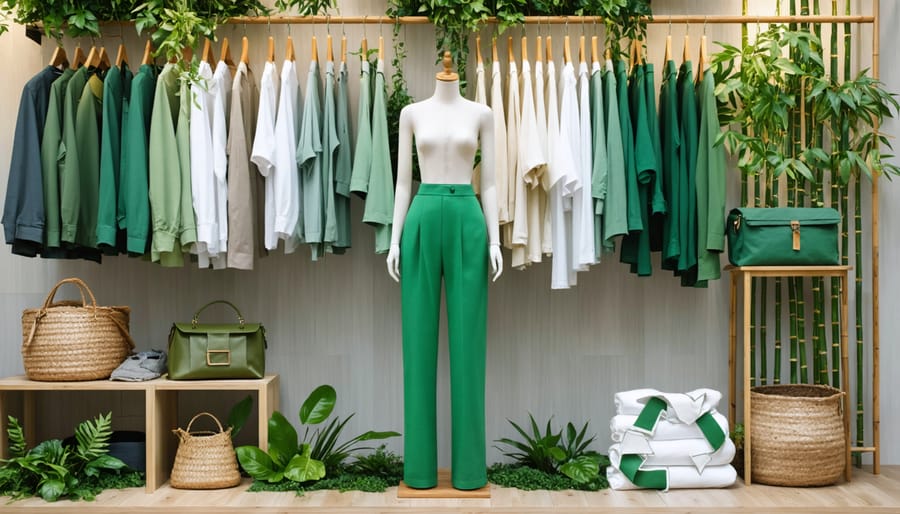
The fashion industry is one of the most dynamic and competitive markets in the world. Trends change quickly, consumer preferences evolve constantly, and new brands emerge every day. To stay relevant and profitable, fashion businesses must focus on smart expansion strategies. Fashion market expansion ideas help brands enter new markets, attract wider audiences, and build long-term global presence.
Understanding Modern Fashion Market Expansion
Fashion market expansion refers to the process of growing a brand beyond its existing audience, region, or product line. This can include entering international markets, targeting new customer segments, or launching new collections that appeal to different lifestyles.
In today’s global economy, fashion is no longer limited by geography. Social media, e-commerce platforms, and digital marketing have made it possible for even small brands to reach international customers. However, successful expansion requires more than just visibility—it requires strategic planning and deep market understanding.
Brands must first analyze demand in new markets. Cultural preferences, climate conditions, and purchasing power all influence fashion choices. For example, clothing styles that work in Europe may not be suitable for South Asian markets. Understanding these differences is essential for successful expansion.
Diversification of Fashion Products and Collections
One of the most effective expansion strategies is product diversification. Instead of relying on a single product line, fashion brands can introduce new categories such as casual wear, formal wear, sportswear, accessories, or seasonal collections.
Diversification allows brands to reach different customer groups with varying needs. For example, a brand known for luxury clothing can introduce affordable everyday wear to attract a broader audience. Similarly, streetwear brands can expand into premium collections to enter high-end markets.
Seasonal collections are also important in fashion expansion. Brands that regularly launch new designs for summer, winter, or festive seasons keep customers engaged and encourage repeat purchases.
Customization and personalization are becoming increasingly popular as well. Many customers prefer unique designs tailored to their preferences. Offering customized fashion items helps brands stand out and build stronger customer loyalty.
Global Market Entry and Digital Expansion Strategies
Expanding into international markets is a major growth opportunity for fashion brands. However, global expansion requires careful planning, including understanding local regulations, distribution channels, and consumer behavior.
E-commerce platforms have made global entry much easier. Online stores allow fashion brands to sell directly to customers worldwide without needing physical stores in every location. Platforms like Shopify, Amazon, and global marketplaces help brands scale quickly.
Social media marketing plays a huge role in global expansion. Platforms like Instagram, TikTok, and Pinterest are especially important in the fashion industry because they are highly visual. Influencer collaborations and fashion content marketing help brands reach international audiences faster.
Localization is another key strategy. This means adapting marketing campaigns, product descriptions, and even designs to match local cultures and preferences. A one-size-fits-all approach rarely works in global fashion markets.
Pop-up stores and collaborations with local retailers are also effective for entering new markets. These strategies allow brands to test demand before fully committing to physical expansion.
Brand Positioning and Long-Term Growth Strategies
Successful fashion expansion is not just about entering new markets—it is about maintaining a strong brand identity while growing. Brand positioning helps define how a fashion label is perceived in the minds of customers.
Luxury positioning focuses on exclusivity, premium quality, and high pricing. On the other hand, fast fashion brands focus on affordability and trend responsiveness. Choosing the right positioning is essential for sustainable growth.
Storytelling is a powerful tool in fashion branding. Customers are more likely to connect with brands that have a meaningful story behind them. This could include sustainability efforts, cultural inspiration, or unique design philosophies.
Sustainability has also become a major factor in modern fashion expansion. Consumers are increasingly aware of environmental impact, and brands that adopt eco-friendly practices gain stronger trust and loyalty. Using sustainable materials, ethical production methods, and recyclable packaging can significantly enhance brand reputation.
Customer experience is another important growth factor. From website design to packaging and after-sales service, every interaction shapes the brand image. A smooth and enjoyable shopping experience encourages repeat customers and positive word-of-mouth marketing.
In conclusion, fashion market expansion ideas are essential for brands aiming to grow in a highly competitive global industry. By focusing on product diversification, international market entry, digital strategies, and strong brand positioning, fashion businesses can achieve long-term success and build a powerful global identity.