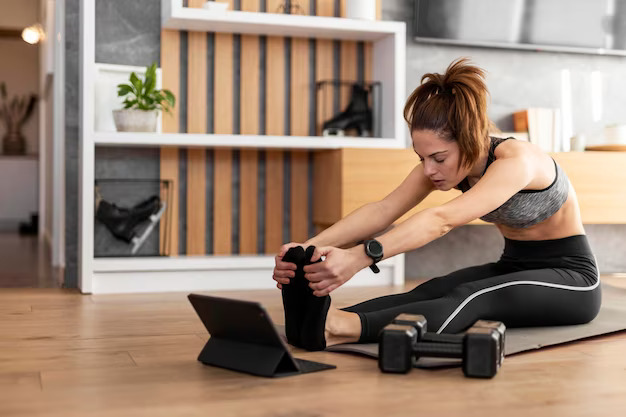
Fitness tracking apps have revolutionized the way people approach health, exercise, and overall wellness. With smartphones and wearable devices becoming an essential part of daily life, monitoring physical activity, diet, sleep, and fitness progress has become easier than ever. These apps act as personal health assistants, helping users stay consistent, motivated, and informed about their fitness journey.
The Role of Fitness Tracking Apps in Modern Health
Fitness tracking apps are digital tools designed to monitor and analyze various aspects of physical activity and health. They track steps, calories burned, heart rate, workout routines, sleep quality, and even hydration levels. The main purpose of these apps is to provide users with real-time data that helps them understand their body and make better lifestyle decisions.
In the past, people relied on guesswork or manual logs to track fitness progress. Today, fitness apps automate this process with precision and accuracy. By syncing with smartphones or wearable devices like smartwatches and fitness bands, they collect continuous data and present it in easy-to-understand dashboards.
These apps are widely used by beginners who want to start a healthy lifestyle as well as professional athletes who require detailed performance analysis. Whether the goal is weight loss, muscle gain, or general wellness, fitness tracking apps provide structured guidance and measurable results.
Key Features That Make Fitness Apps Effective
Modern fitness tracking apps come with a wide range of features designed to support different health goals. One of the most basic yet important features is step tracking. It counts daily steps and encourages users to stay active by setting daily targets.
Another essential feature is calorie tracking. Users can log their meals and monitor calorie intake to maintain or adjust their weight. Some advanced apps also provide nutritional breakdowns, including protein, carbs, and fat intake, helping users make healthier dietary choices.
Workout tracking is another powerful feature. These apps offer pre-designed workout plans or allow users to create custom routines. They track exercise duration, intensity, and repetitions, helping users measure progress over time.
Sleep tracking has also become an important part of fitness apps. Good sleep is essential for recovery and overall health, and these apps analyze sleep patterns to suggest improvements in sleep quality.
In addition, many fitness apps include goal setting and reminders. Users can set fitness goals such as losing a certain amount of weight or running a specific distance. The app then sends reminders and motivational alerts to keep them on track.
Benefits of Using Fitness Tracking Apps
One of the biggest advantages of fitness tracking apps is increased awareness. Many people are unaware of their daily activity levels or calorie consumption. These apps provide clear insights that help users understand their habits and make informed decisions.
Another major benefit is motivation. Seeing progress in real time, such as steps taken or calories burned, encourages users to stay consistent. Many apps also include challenges, badges, and rewards, which make fitness more engaging and enjoyable.
Fitness tracking apps also improve accountability. When users set goals and track their progress daily, they are more likely to stay committed. This reduces the chances of skipping workouts or unhealthy eating habits.
Additionally, these apps support personalized fitness planning. Based on user data, many apps suggest customized workout routines and diet plans. This personalization helps users achieve results faster and more effectively.
For athletes and fitness enthusiasts, performance tracking is a major advantage. They can analyze trends over time, identify strengths and weaknesses, and optimize their training routines for better results.
Choosing the Right Fitness Tracking App and Using It Effectively
With so many fitness apps available, choosing the right one depends on individual goals and preferences. Users should first identify their primary objective—whether it is weight loss, muscle building, or general fitness improvement.
The next factor to consider is compatibility. Some apps work best with specific wearable devices, while others function independently on smartphones. Ensuring compatibility with existing devices improves the overall experience.
Ease of use is also important. A good fitness app should have a simple interface that is easy to navigate. Complicated designs can reduce user engagement and make tracking less consistent.
Another important consideration is data accuracy. Reliable apps use advanced sensors and algorithms to provide precise measurements. Reading user reviews and ratings can help in selecting trustworthy apps.
To get the best results, users should use fitness apps consistently. Regular tracking, updating meals, and reviewing progress reports help maintain discipline. Combining app usage with realistic goals and a balanced lifestyle ensures long-term success.
In conclusion, fitness tracking apps have become essential tools for modern health management. They provide valuable insights, encourage healthy habits, and make fitness journeys more structured and effective. With the right approach and consistent use, these apps can significantly improve physical well-being and overall lifestyle quality.